
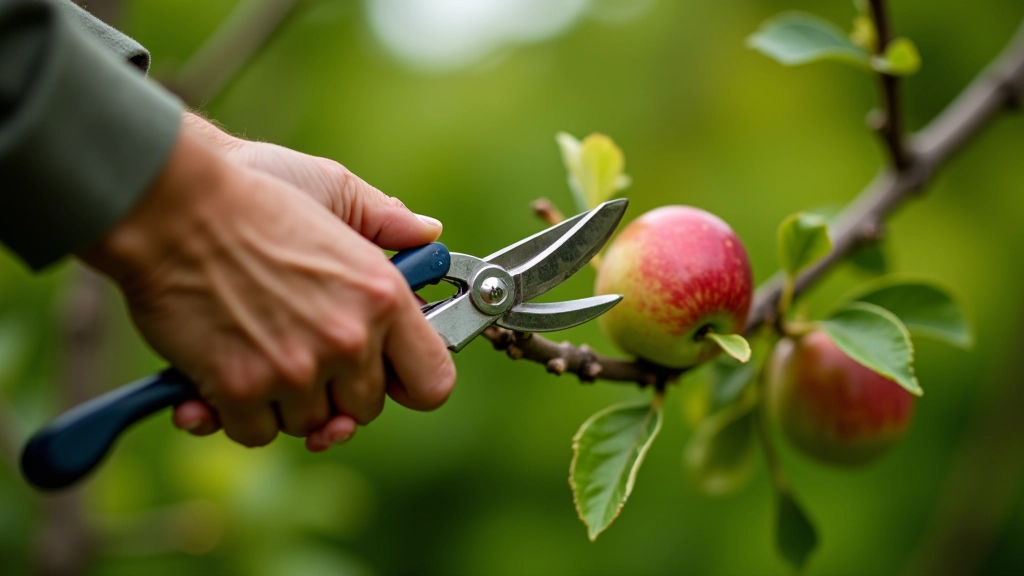
Proper Cutting Angles and Tool Selection
The difference between a good cut and a bad one comes down to angle and tools. We cover how to make clean cuts that heal properly.
Understanding how to identify main branches and lateral growth before spring pruning begins. Essential foundation for any pruning work.

Editorial Team
Written by the primaxcrest editorial team, focused on clear, practical guidance for fruit tree care.
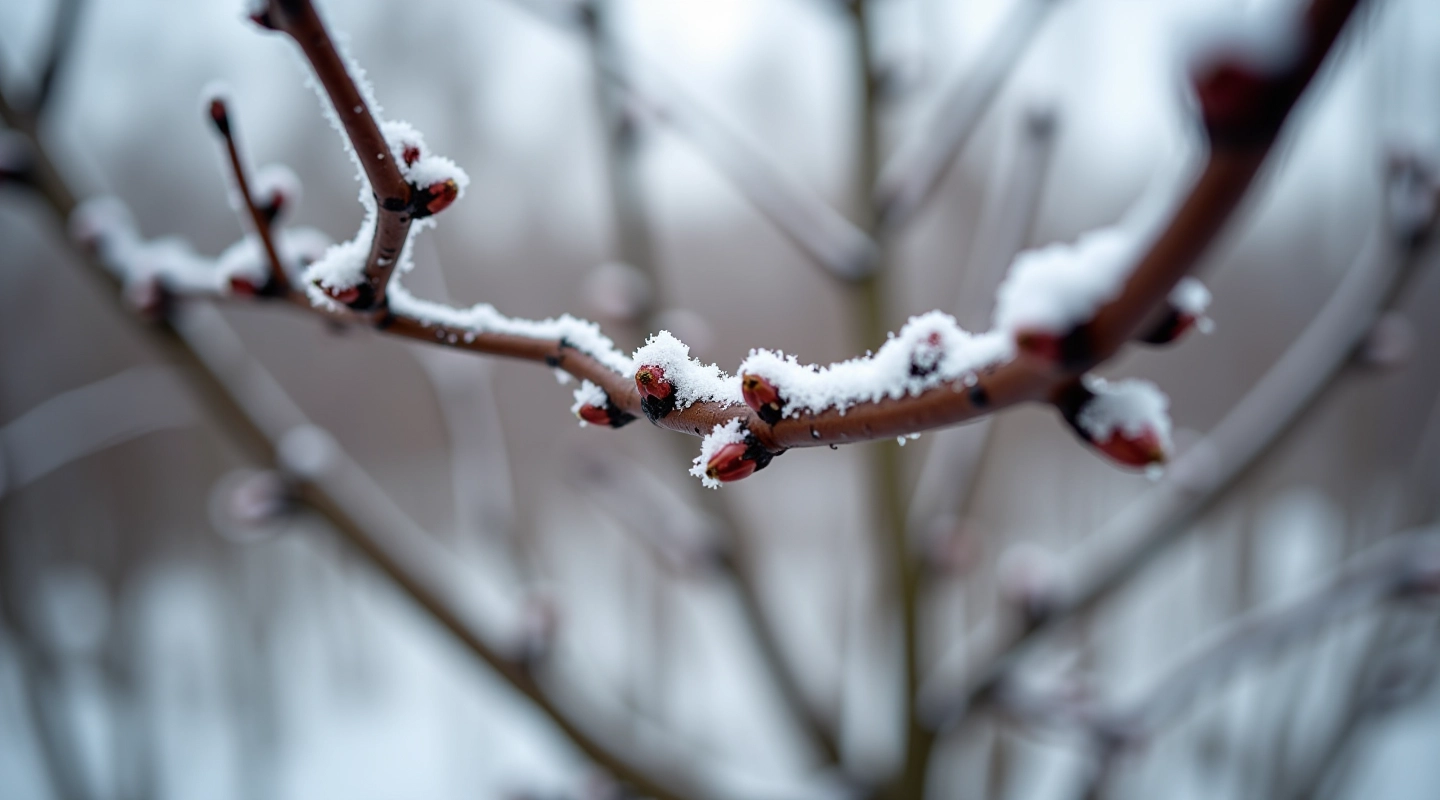
When temperatures drop and leaves fall away, your trees aren't dead — they're resting. That's dormancy. It's the perfect time to really see what you're working with because there's nothing hiding the branch structure. No foliage, no distractions. Just the skeleton of the tree, which is exactly what you need to understand before you pick up a saw.
Winter is when pruning happens in most regions. You'll be making decisions based on what you can see, so it's crucial to understand branch types and growth patterns. This isn't complicated stuff — it's just about learning to read what the tree is telling you.
Every tree has a main framework. Think of it like the skeleton. The primary branches are the main structural limbs coming off the trunk — these are your foundation. In an apple tree, you're typically looking at 3-5 main branches forming a vase or open-center shape. In a plum tree, it might be slightly different depending on the variety and your training method.
Lateral branches grow off those main branches. They're the secondary growth. Some laterals are productive — they'll bear fruit. Others are just filling in the canopy. You'll need to decide which ones stay and which ones get removed or shortened.
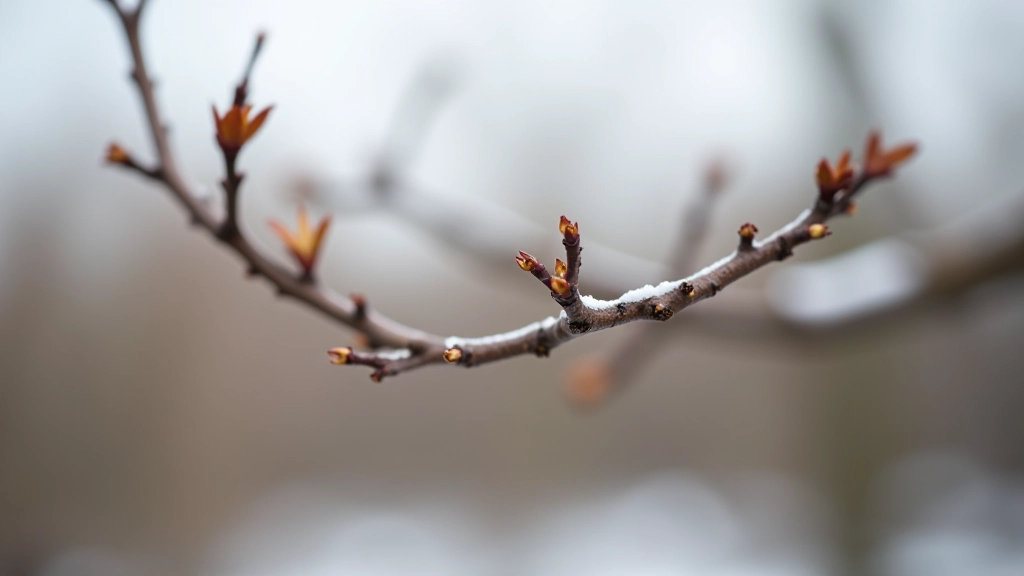
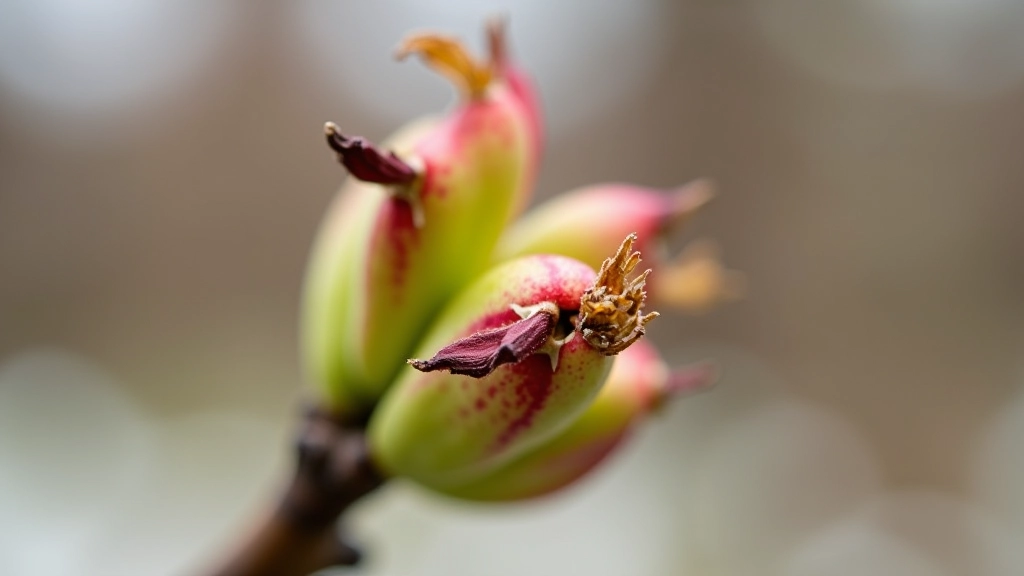
Those little bumps on the branches? That's where next year's growth lives. There are two main bud types: leaf buds and fruit buds. Leaf buds are smaller and pointier. Fruit buds are rounder and chunkier. On an apple tree in January, you can tell the difference once you know what to look for.
The spacing and density of buds tells you something important. If buds are clustered closely together, that branch produced a lot of fruit last year and probably needs rejuvenation pruning. If they're sparse, the branch might be weak or shaded out. You'll use this information when deciding how hard to cut back.
Most fruit trees have dormancy periods lasting 800-1600 hours below 45°F, depending on the variety. In the Znojmo region, you've typically got that window from November through early March. Once temps warm up, buds break and growth starts — so your window is real but generous.
Does this branch form part of your main framework? If yes, it stays (unless it's damaged or diseased). If it's a lateral competing with other growth, you might thin it out.
Look for damage, disease, or dead wood. Winter is when you'll spot canker diseases, frost crack, or branches broken from snow load. Remove anything that won't contribute to a healthy tree.
Will this branch bear fruit? Does it have good bud density? Will it be shaded out by growth above it? These answers help you prioritize what to keep and what to remove.
Once you've looked at your tree with these three questions in mind, you've got a plan. You're not just hacking randomly — you're making decisions based on what you see. A mature apple tree might have 15-20 main structural branches across 3-4 primary limbs. You're not removing all of them. You're thinning, shortening, and reshaping based on age, health, and productivity.
Here's the thing: dormancy gives you permission to be bold. The tree won't bleed sap. Wounds will callus over cleanly. And you've got months before spring growth starts, so you can see how your cuts develop before the busy season. That's why winter pruning works so well for structural training.
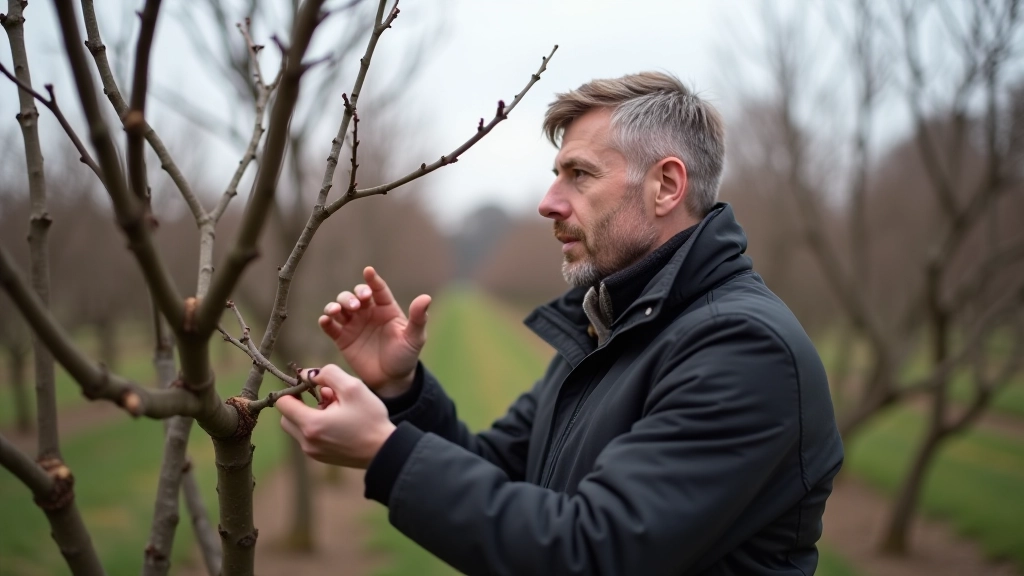
Winter dormancy isn't just a season — it's your opportunity. You're working with a tree that's resting, not stressed. Your cuts won't trigger a panic response. The tree will compartmentalize cleanly and move forward without struggling.
Identify your 3-5 main branches. Make sure they're healthy and well-spaced around the trunk. These won't change much year to year unless you're doing major reshaping. They're your foundation.
Look at branches growing off the mains. Remove anything that's crossing, rubbing, or growing straight up. Keep the ones with good bud density and open angles. Spacing matters — aim for 6-8 inches between major laterals.
Always remove dead, diseased, or damaged wood first. This clears your vision and gives the tree a fighting chance. Winter damage is easy to spot — broken branches, frost cracks, canker lesions.
Before cutting, think about what you want the tree to look like in 2-3 years. Are you building an open-center or vase shape? That choice changes how you approach pruning this winter.
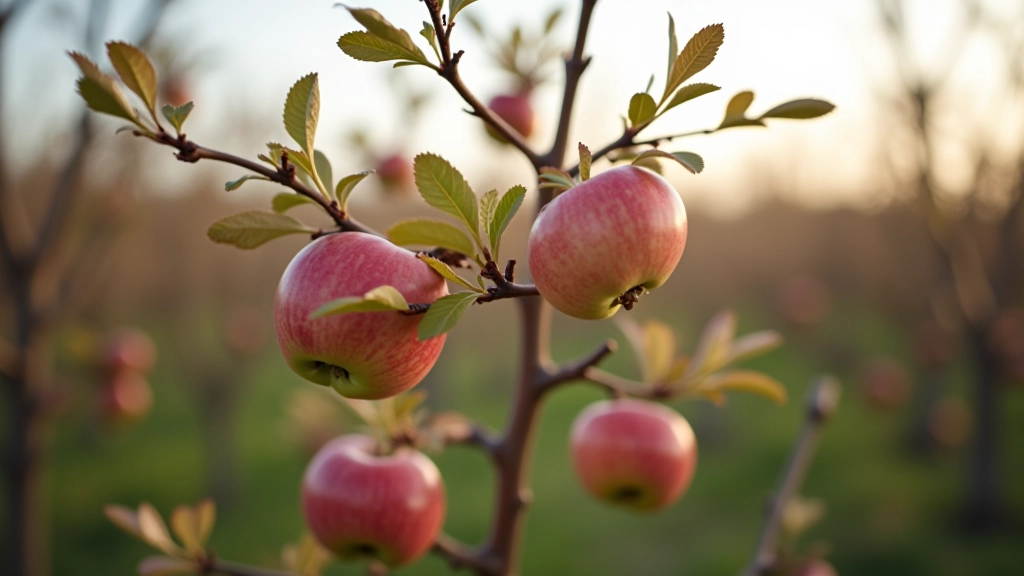
Understanding branch structure during dormancy transforms you from someone who just trims branches into someone who actually shapes trees. You're not guessing — you're reading what the tree shows you and responding with purpose. That foundation carries through everything else you'll do in spring and summer.
This guide is for educational purposes and provides general information about fruit tree structure and winter dormancy. Pruning techniques and timing can vary based on your specific climate, tree variety, local conditions, and personal circumstances. Always consult with local extension services or experienced horticulturists for guidance specific to your region and situation. Improper pruning can damage trees, so consider seeking professional advice if you're uncertain about your approach.
The difference between a good cut and a bad one comes down to angle and tools. We cover how to make clean cuts that heal properly.
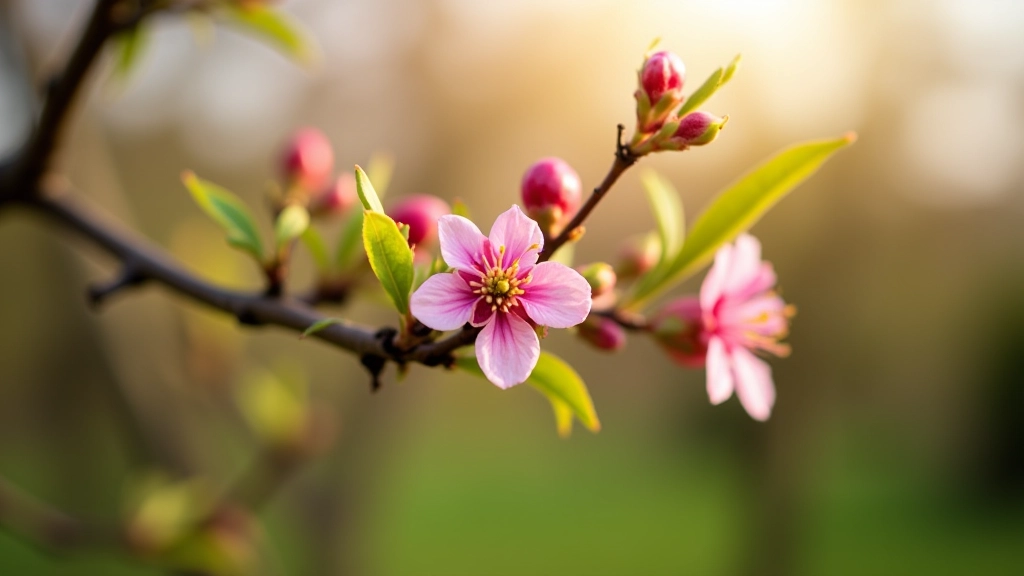
Once flowers appear, your approach changes. Learn when to prune and what to leave alone during the growing season.
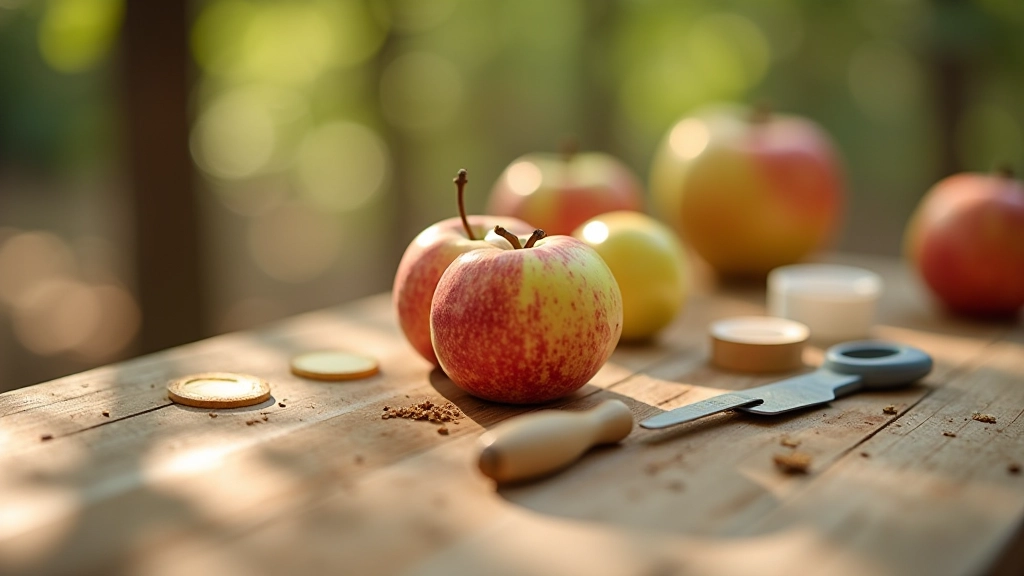
Grafting isn't as complicated as it sounds. We cover rootstock types, timing, and how to select healthy scions.