
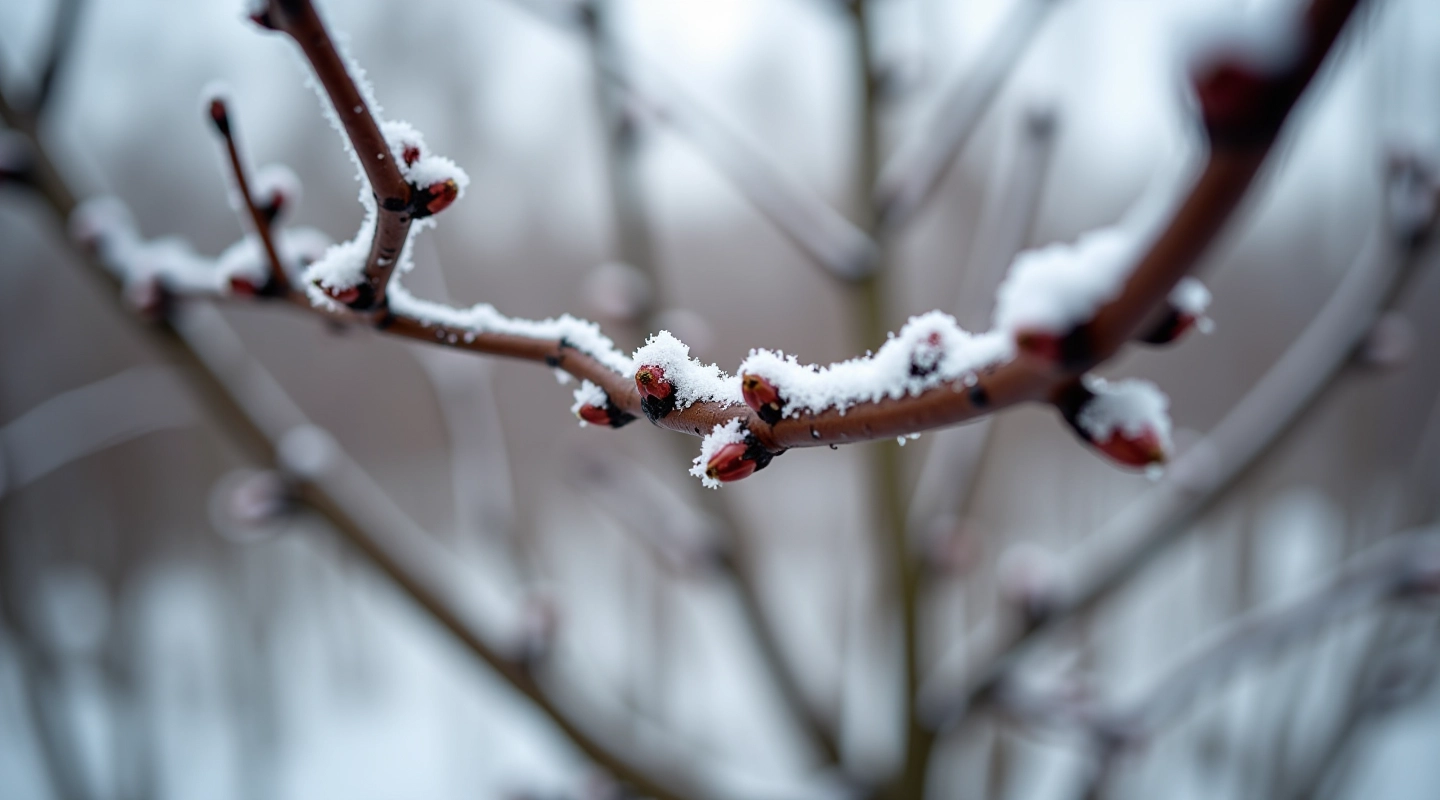
Winter Dormancy and Branch Structure
Understanding how to identify main branches and lateral growth before spring pruning begins.
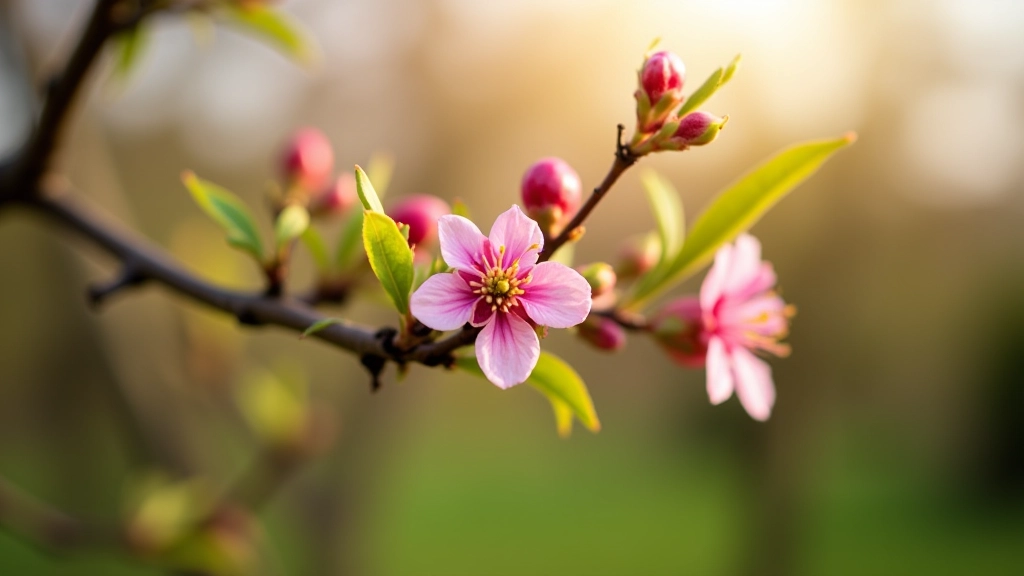
Once flowers appear, your approach changes. Learn when to prune and what to leave alone during active growth season.

Author
Editorial Team
Written by the primaxcrest editorial team, focused on clear, practical guidance for fruit tree care.
The moment buds break into flowers is when most pruning stops. You've got a narrow window — from bud swell until the first blooms open — when you can still make structural cuts safely. After that, you're in management mode.
Here's what happens: when you prune a blooming branch, you interrupt the plant's energy flow. The tree's already committed resources to producing those flowers. Cut them off, and you're essentially wasting that investment. Plus, open wounds during peak bloom attract insects and disease.
Key timing: Prune apple and plum trees while buds are still tight. Once petals show color, put the pruners away until summer.
In your region, that window typically runs from late March through mid-April. By May, most trees are fully committed to flowering. That's when you shift from pruning to observation and light management.
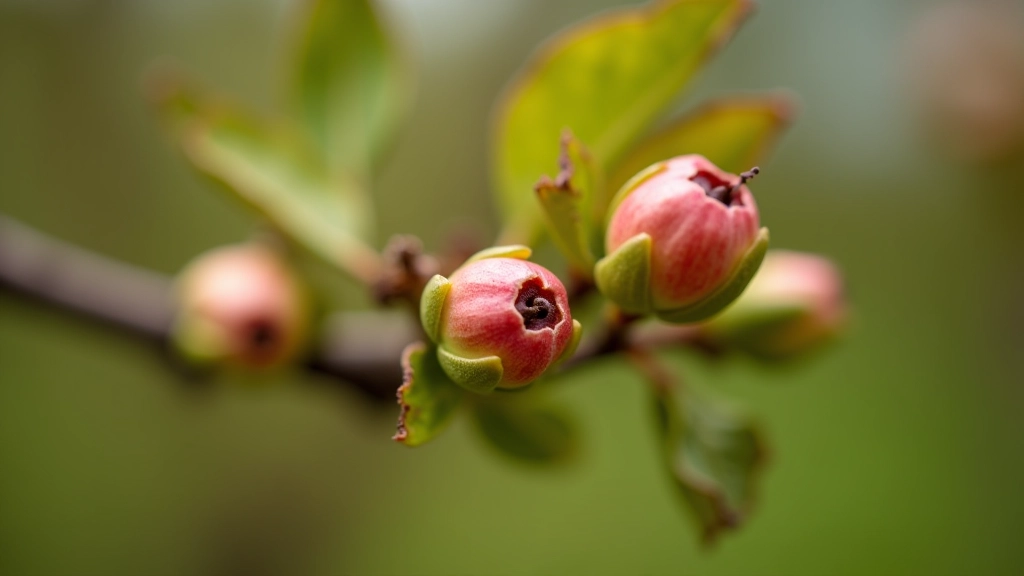
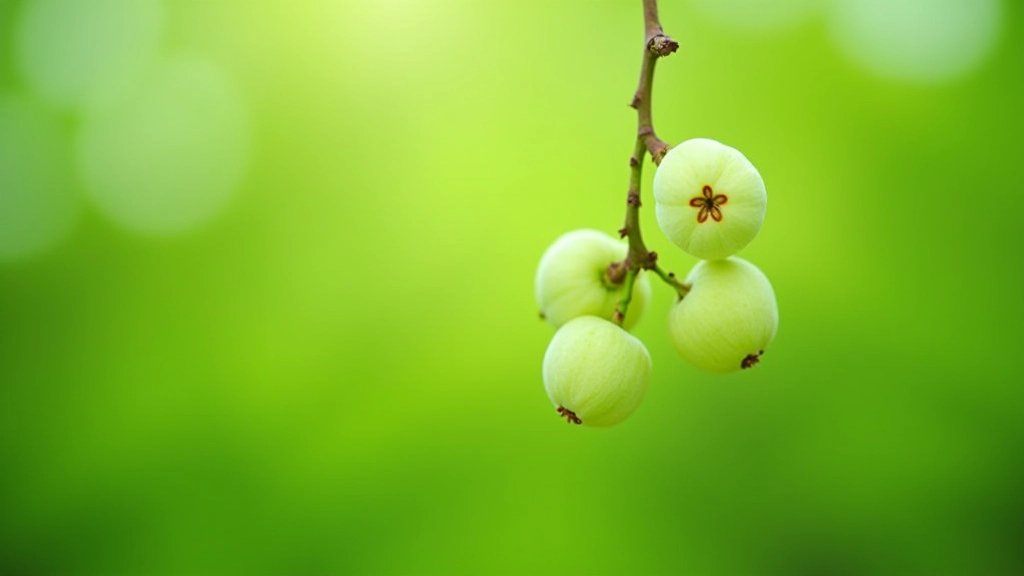
Once flowers appear, resist the urge to shape. That's the biggest mistake new growers make — trying to improve the tree's form while it's blooming. You'll wreck next year's fruit crop.
Don't remove competing branches, don't thin the canopy, don't experiment with new techniques. Your job now is to watch for three things: disease, damage, and seriously misplaced growth.
Your pruning work happened in winter. Now you're just maintaining what you built.
By late spring, once blooms have set and early fruit's developing, you'll see vigorous shoots exploding from the canopy. These are growth leaders — exactly what you want. They'll become next year's branches.
The temptation's strong to cut them back, to "keep the tree tidy." Don't. Let them grow. A healthy tree putting out 12-18 inches of new growth per year is doing its job perfectly. You'll shape these shoots next winter when the tree's dormant.
Growth rule: If a shoot's growing in a useful direction and isn't damaged, it stays. Even if it looks awkward now, you're building structure for the next 5-10 years.
What you're actually managing at this stage isn't the tree's form — it's its health and vigor. Make sure shoots aren't shaded out by surrounding branches. Check that nothing's rubbing or creating wounds. That's your focus during spring.
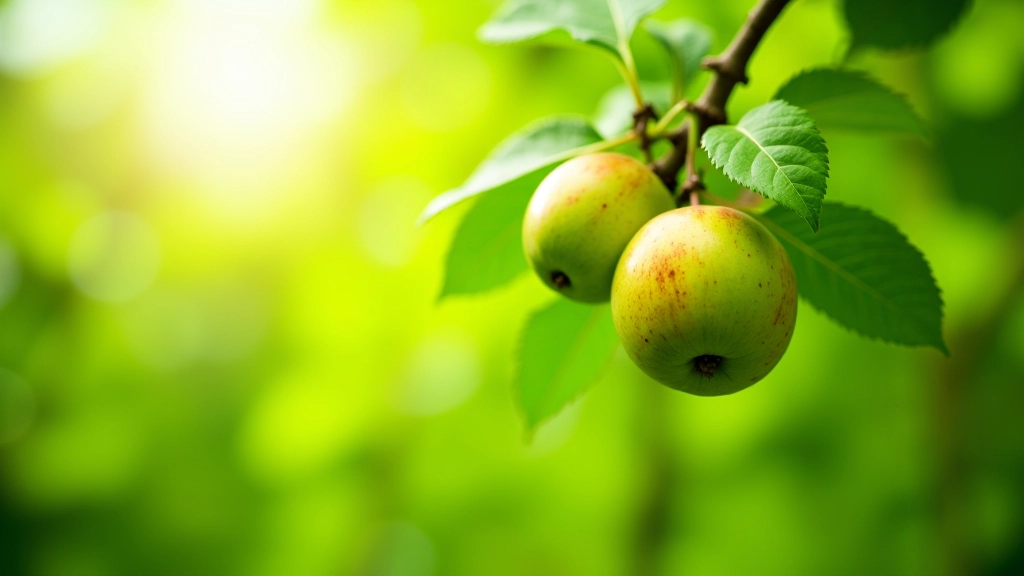
This guide provides general information about spring fruit tree care and is meant for educational purposes. Growing conditions vary significantly by location, climate, and individual tree health. Always observe your specific trees carefully and adjust timing based on local weather patterns. If you're uncertain about any technique or notice disease, consult with a local arborist or extension service who can assess your specific situation.
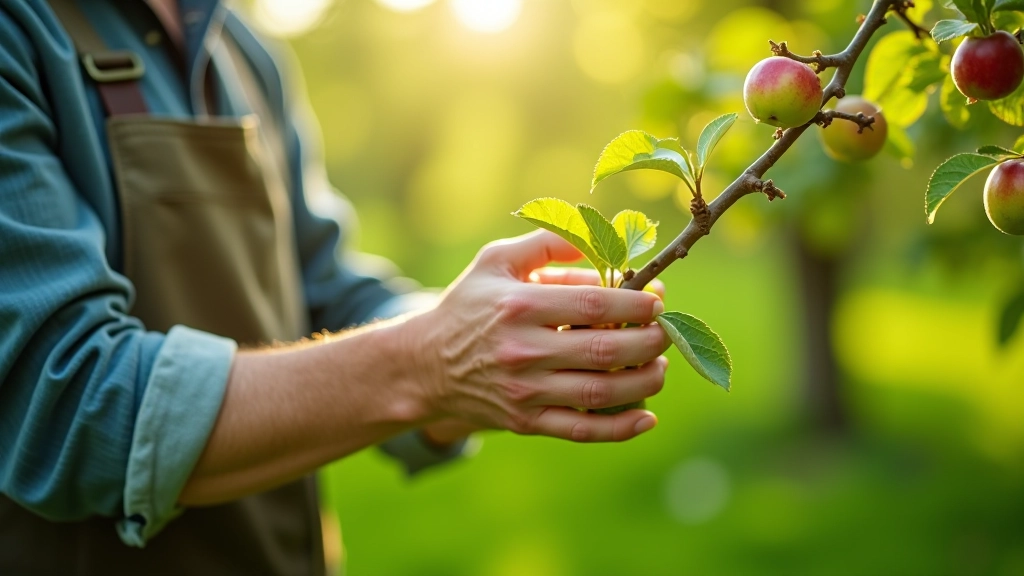
Create a simple routine to check your trees weekly during spring. You're not pruning — you're monitoring.
This checklist takes 10-15 minutes per tree. You're training your eye to understand what healthy growth looks like, what problems need intervention, and what can wait.
The hardest part of spring tree management isn't the techniques — it's stepping back. You've done your pruning work. The tree's responding. Now you let it bloom, set fruit, and grow. Your actual pruning season comes next winter when you'll shape what you see now.
Watch your trees. Learn their patterns. Notice which growth is strong and which is struggling. That's what matters in spring. The cuts come later.
Continue learning about fruit tree care
Understanding how to identify main branches and lateral growth before spring pruning begins.
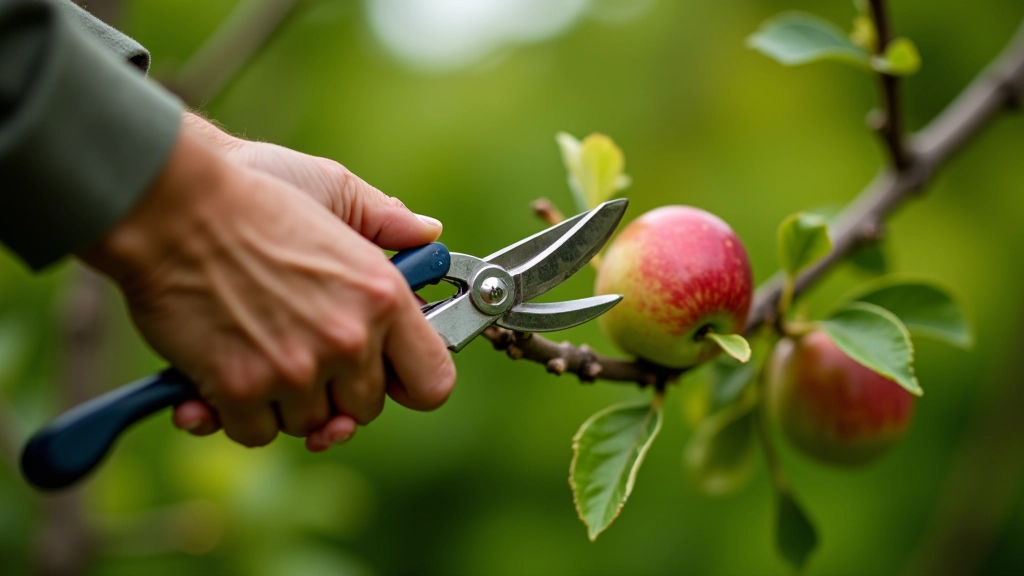
The difference between a good cut and a bad one comes down to angle and tools. We cover both.
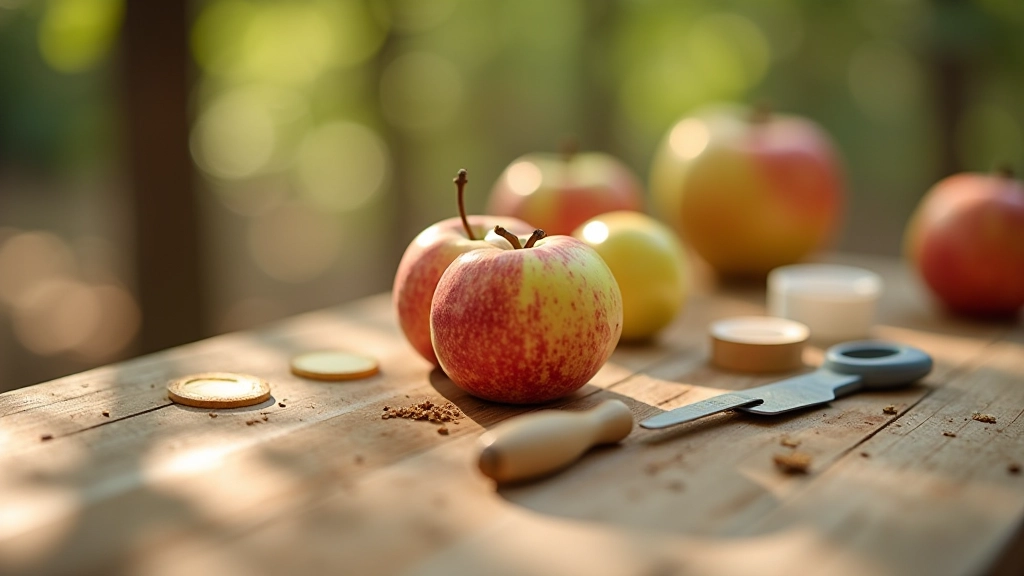
Grafting isn't as complicated as it sounds. We cover rootstock types, timing, and technique.