
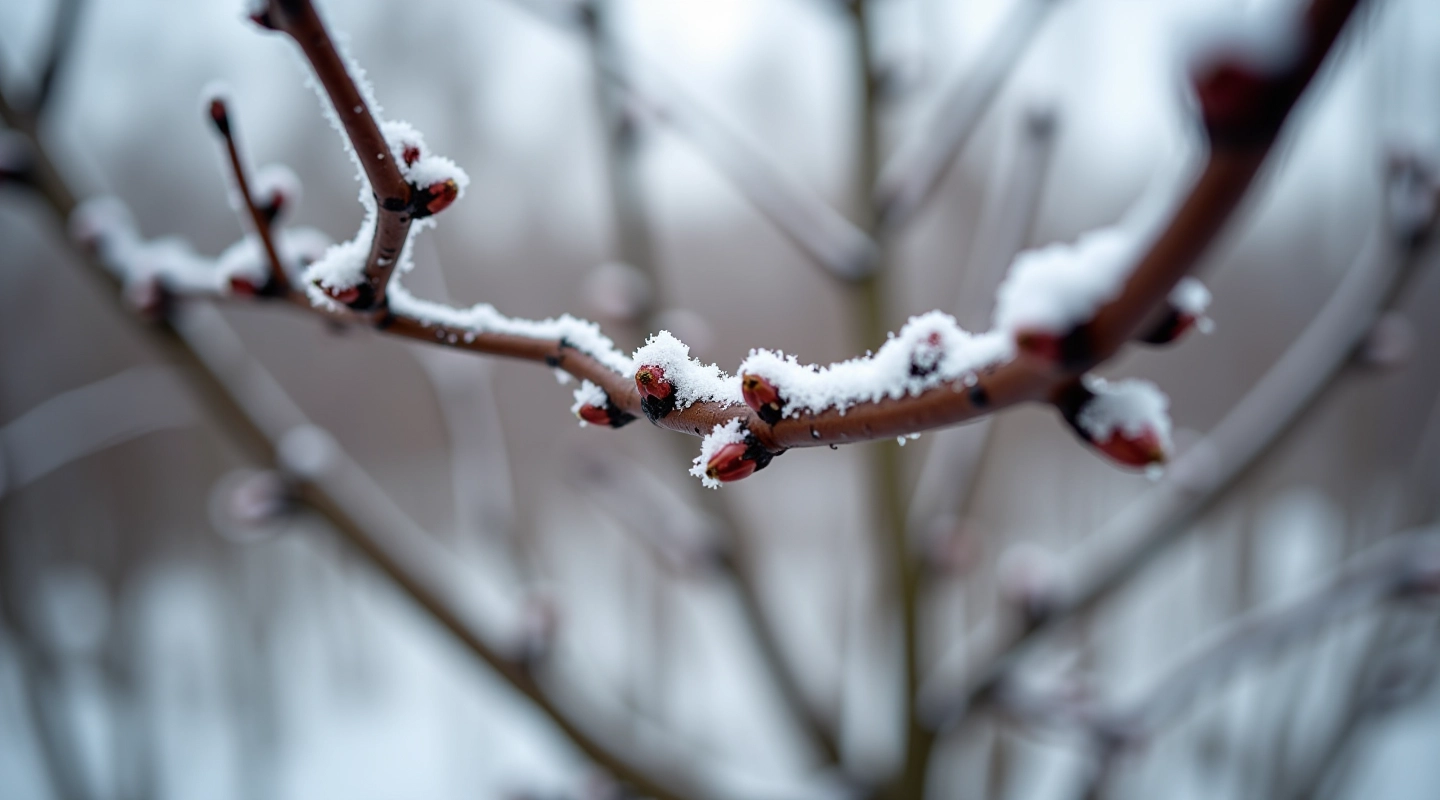
Winter Dormancy and Branch Structure
Understanding how to identify main branches and lateral growth before spring pru...
Read ArticleGrafting isn't as complicated as it sounds. We cover rootstock types, timing, and how to choose compatible varieties for success.

Author
Editorial Team
Written by the primaxcrest editorial team, focused on clear, practical guidance for fruit tree care.
Grafting combines two different trees — the rootstock and the scion. The rootstock is the lower part that stays in the ground and provides the root system. The scion is the upper part with buds from the variety you want to grow. They've got to be compatible, which means they're from the same or closely related species.
Apple rootstocks come in different sizes. M26 is semi-dwarfing, so trees reach about 12-15 feet. M111 is more vigorous, creating trees around 20-25 feet tall. Then there's Malling-Merton rootstocks that combine disease resistance with size control. For plums, common rootstocks include Marianna and Brompton, each affecting tree vigor differently.
Key Point: The rootstock determines how big your tree gets and how quickly it produces fruit. Choose wisely based on your space and patience.
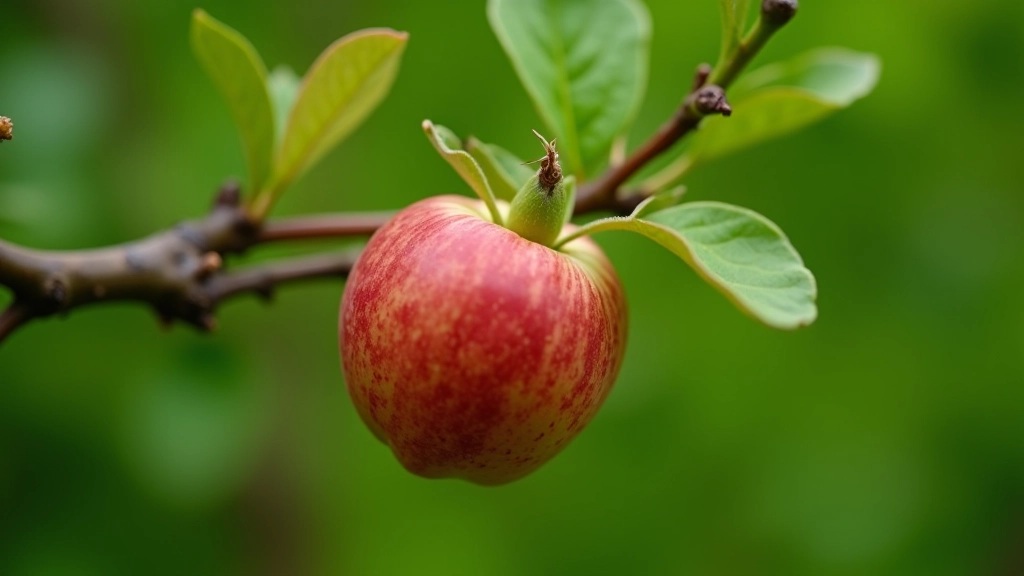

Spring grafting — late March through April — works best for most fruit trees. At this point, the sap is flowing and the rootstock is actively growing. You'll see success rates around 70-80% if you get the timing right. The buds on your scion should be just starting to swell but not yet breaking dormancy.
Late winter dormant grafting, done in January or February, also works but requires more skill. The rootstock isn't growing yet, so you're betting on the graft holding until spring arrives. Summer grafting exists but it's trickier — the tree's stressed from heat and less likely to accept the union. If you're new to grafting, stick with spring.
You can't graft just any scion onto any rootstock. Apple scions go on apple rootstocks. Pear on pear. Plum on plum-compatible rootstocks. There's some cross-compatibility — you can graft European plums onto certain rootstocks — but it's risky. Stick with the same species unless you've got a good reason and knowledge to back it up.
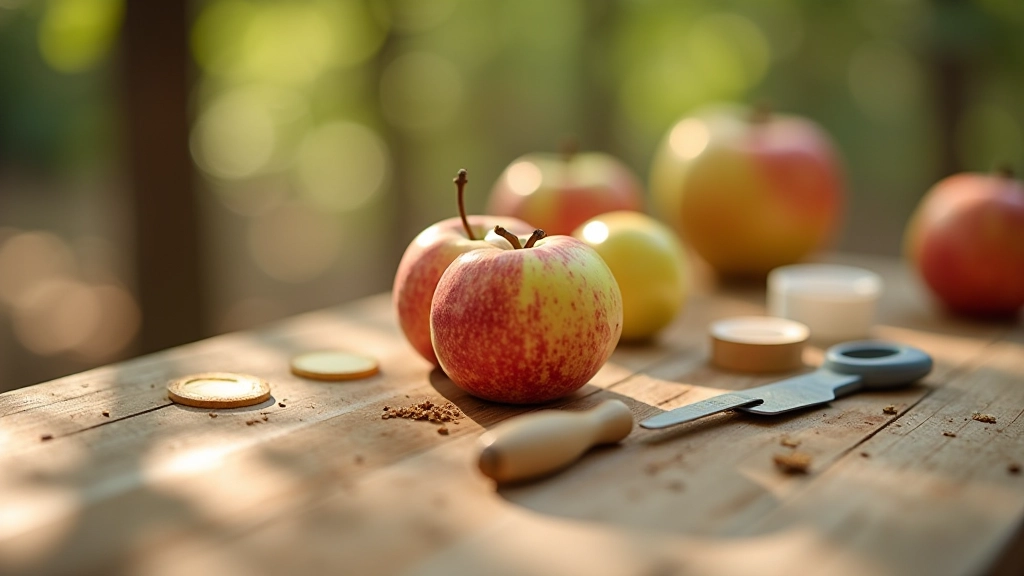
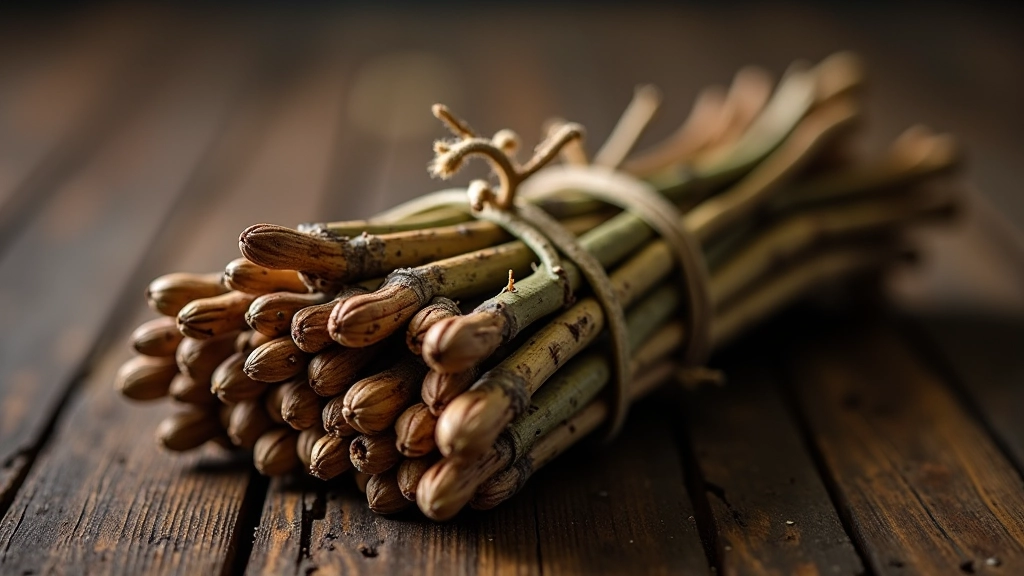
Select scion wood from healthy, productive trees. One-year-old shoots about pencil-thick are ideal. They should be free of disease, pests, and damage. When you collect them in winter, bundle them loosely and store in a cool place — a basement or unheated garage works fine. Keep them slightly moist. Don't let them dry out completely, but avoid waterlogged conditions.
Selection Rule: Take scion wood from trees with proven vigor and productivity. You're duplicating that tree's characteristics, so choose your donor carefully.
There's more than one way to join rootstock and scion. The method you choose depends on the size of materials, the time of year, and your experience level.
Whip grafting works well when rootstock and scion are similar diameters. You make angled cuts on both, then interlock them like a puzzle. It's efficient and creates good contact. The union forms quickly. You'll wrap it tightly with grafting tape to hold everything in place while it heals.
When the rootstock is much thicker than the scion, cleft grafting shines. You split the rootstock vertically, then insert the scion into the opening. The rootstock provides plenty of strength. It's straightforward and doesn't require as much precision as whip grafting. Beginners often have success with this method.
In late spring when bark slips easily, bark grafting becomes an option. You lift the bark on the rootstock and slide the scion underneath. The sap flow helps create the union. It works for larger diameter mismatches. Don't attempt this too early — the bark needs to separate cleanly from the wood.
This article provides educational information about grafting techniques and scion selection for fruit trees. Results vary based on climate, tree species, technique execution, and care after grafting. Success isn't guaranteed — grafting involves learning from trial and experience. We recommend consulting local horticultural extension services for region-specific guidance on timing and variety selection in your area. Local expertise accounts for your specific climate and conditions in ways a general guide can't.
Grafting opens possibilities you can't achieve with seeds alone. You get the exact variety you want, faster maturity, and control over tree size through rootstock selection. It's not magic — it's a skill that improves with practice.
Start with spring grafting. Choose compatible materials. Take time to understand which rootstock gives you the tree size you need. Success builds confidence, and confidence leads to experimentation. You'll learn what works in your specific conditions. That's when grafting becomes truly valuable.
The combination of the right rootstock and the right scion, done at the right time, creates fruit trees that thrive for decades. That's worth the effort.
Continue learning about fruit tree care and pruning techniques
Understanding how to identify main branches and lateral growth before spring pru...
Read Article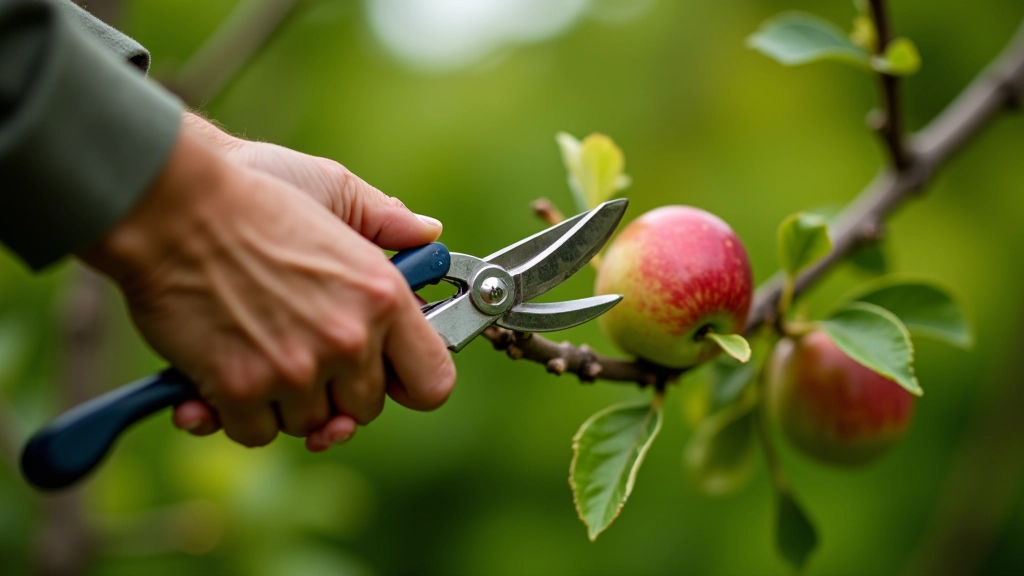
The difference between a good cut and a bad one comes down to angle and tools. W...
Read Article
Once flowers appear, your approach changes. Learn when to prune and what to leav...
Read Article